
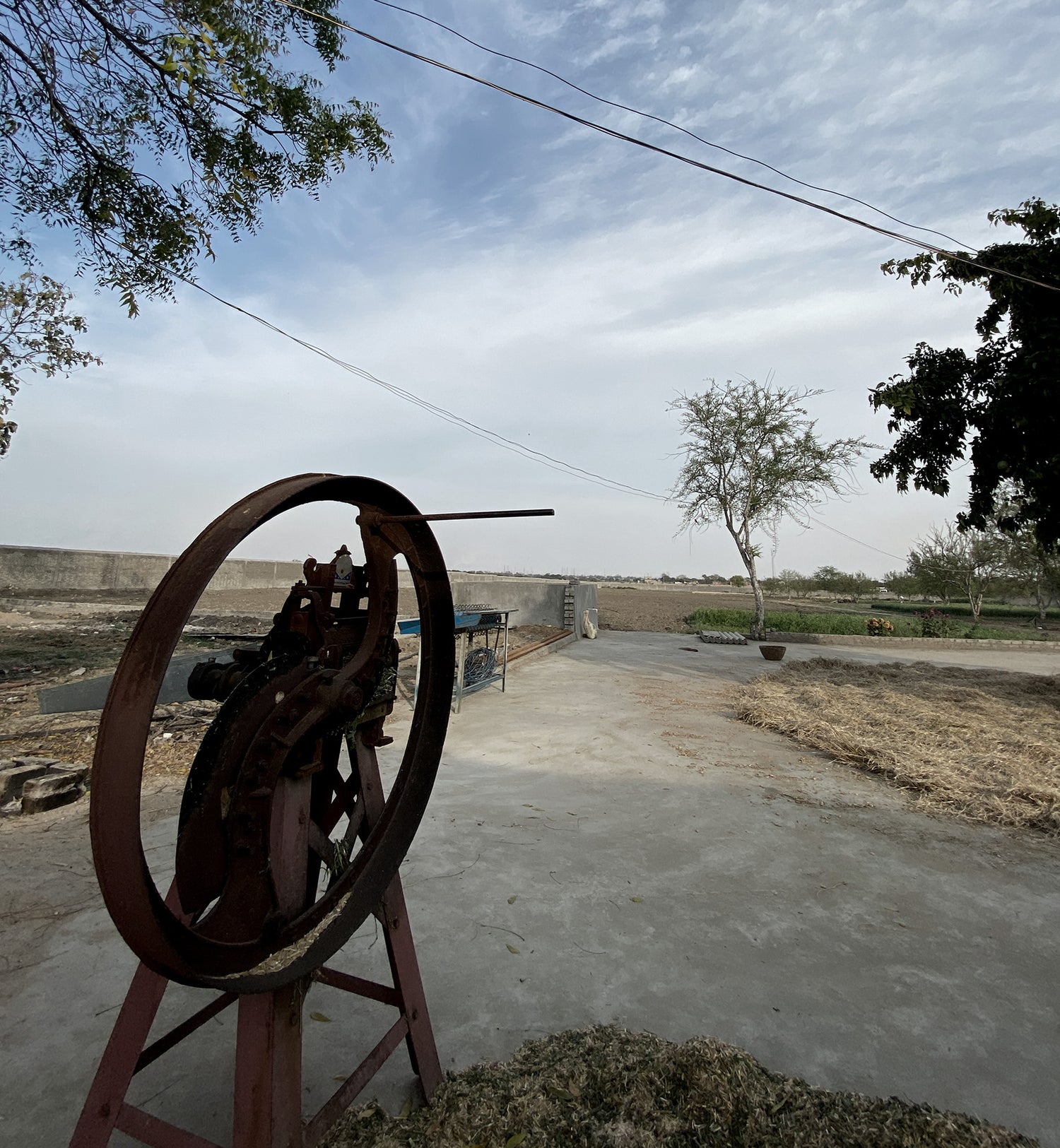
MARGN views these systems not as grand cultural structures, but as smaller cultures embedded in daily life—cultures that are equally vital for survival. Many of these practices trace back to the rural parts of India where both founders grew up, shaping their perspective on hand-making and conscious living.
The place where Saurabh comes from, for example, still does not have an electricity line. Life there continues through mechanical means and older methods, giving rise to ways of living that are both sustainable and deeply human. These origins ground MARGN’s work in realities often overlooked within the larger cultural discourse.
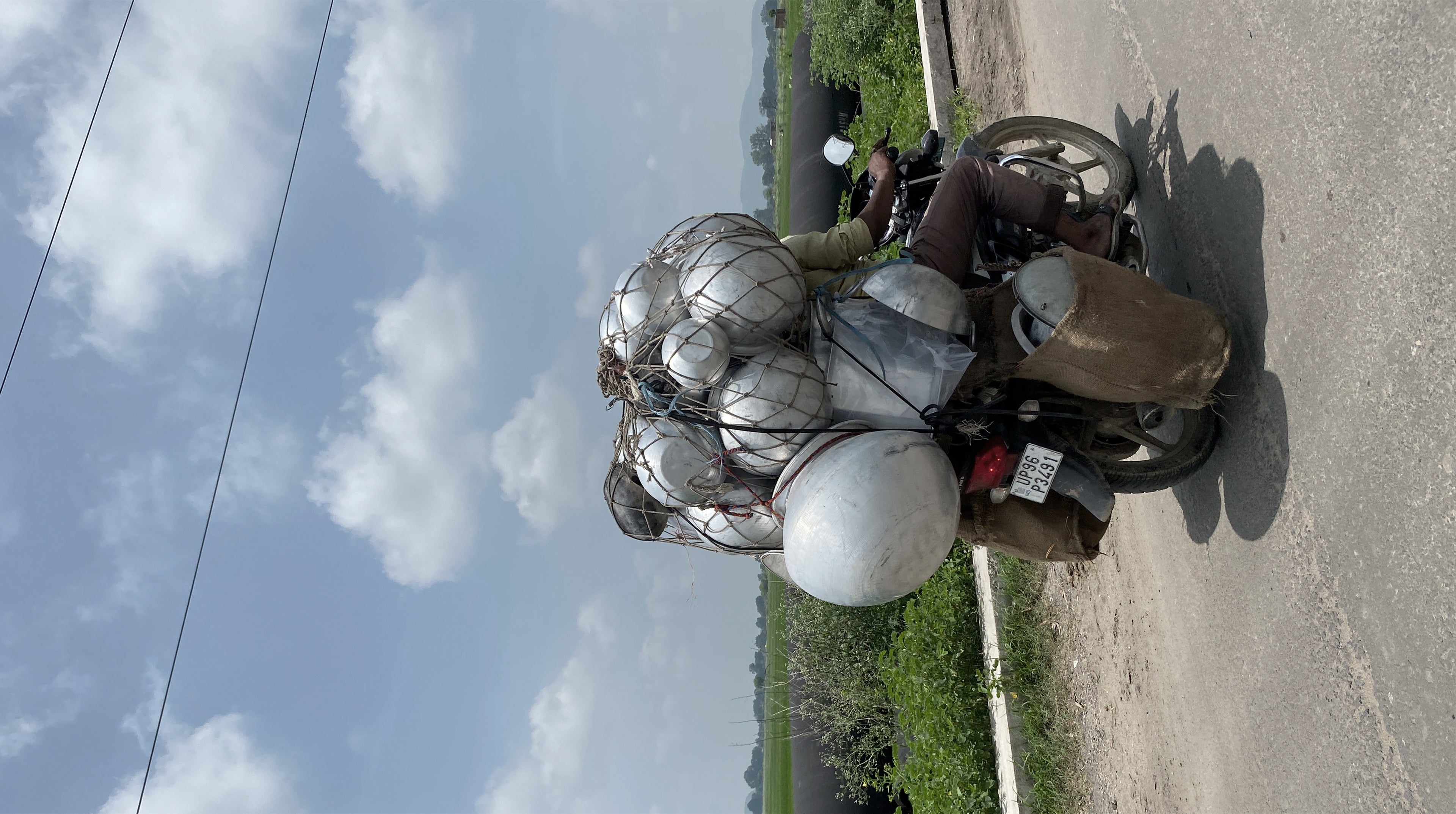
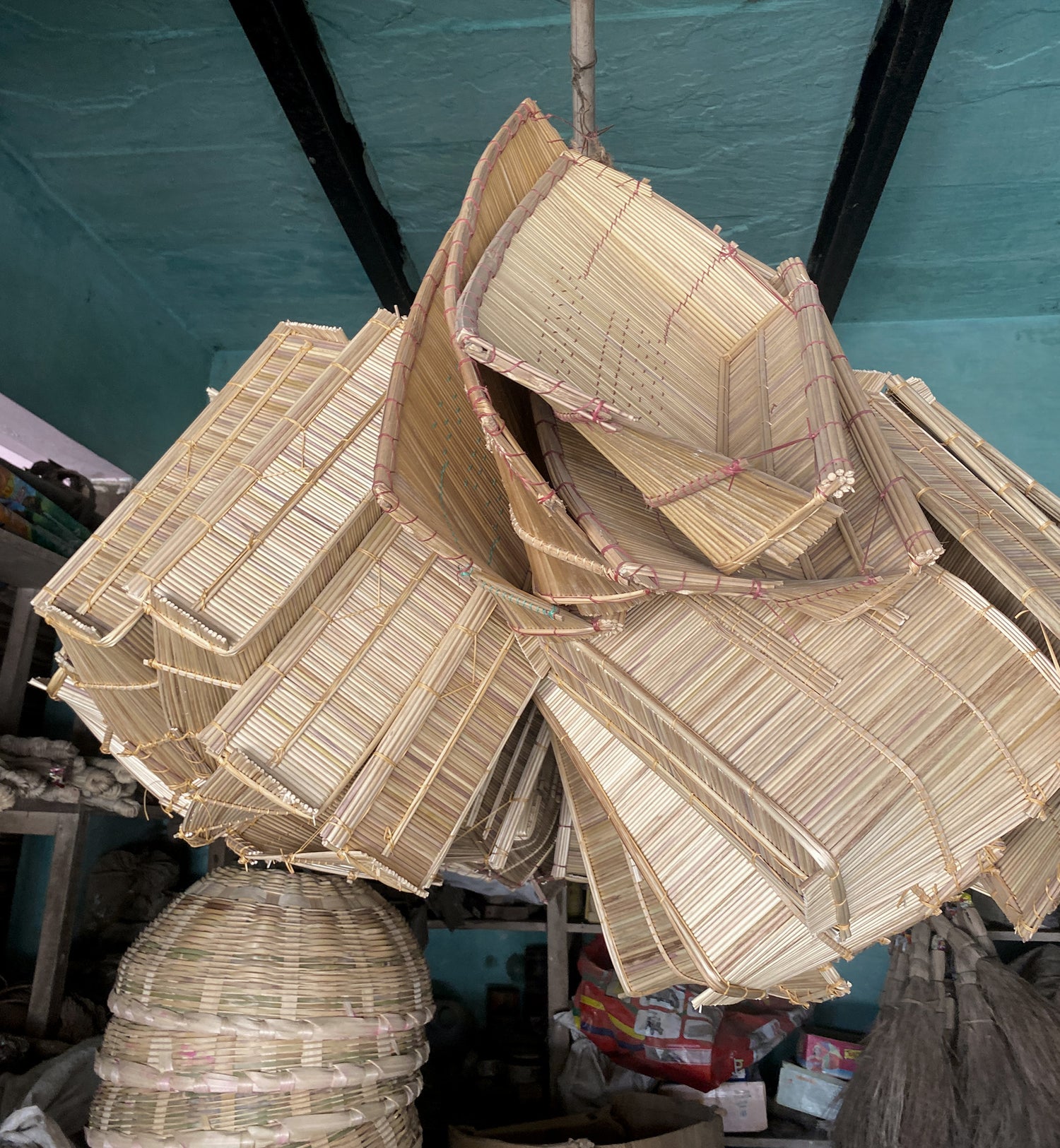
Their upbringing also shaped their view of craft. They grew up watching their mothers stitch kantha quilts from old bedsheets and saris, reuse every
plastic bag until its last breath, and mend umbrellas with fabric or plastic patches. For them, craft was never just about beauty or art—it was about survival. In rural life, when resources are scarce, making by hand sustains you. These acts may not always be celebrated as “craft,” but they carry its essence: resourcefulness, resilience, and meaning. This understanding continues to drive MARGN’s work today, where craft is seen not just as handmade, but as a system of survival that has existed for generations.


